Bed bugs pose serious financial and operational challenges for ministries, shelters, and group housing facilities, often costing thousands to treat and disrupting essential services.
Heavy Duty Bunk Bed Solutions
Bed Bug Resistant Bunk Beds Protect Ministries from Costly Infestations
Key Takeaways
1
2
Investing in heavy-duty, bed bug resistant bunk beds with fully seam-welded frame construction significantly reduces infestation risks by eliminating common hiding places for pests.
3
These durable, easy-to-clean bed and mattress systems improve hygiene, reduce maintenance time, and promote healthier, safer living conditions for residents.
4
By choosing long-lasting, bed bug proof furniture, organizations protect both their budgets and the well-being of those they serve, turning prevention into a sustainable investment.
Few challenges create as much disruption in ministries and shelters as bed bugs. These pests spread quickly in shared environments, and once they take hold, the costs of treatment and the stress on residents can be overwhelming. Group housing environments — including behavioral treatment centers, transitional housing programs, and crisis shelters — are especially vulnerable. That’s why investing in bed bug resistant bunk beds is one of the smartest steps leaders can take to safeguard both residents and budgets.
THE COST OF BED BUG INFESTATIONS
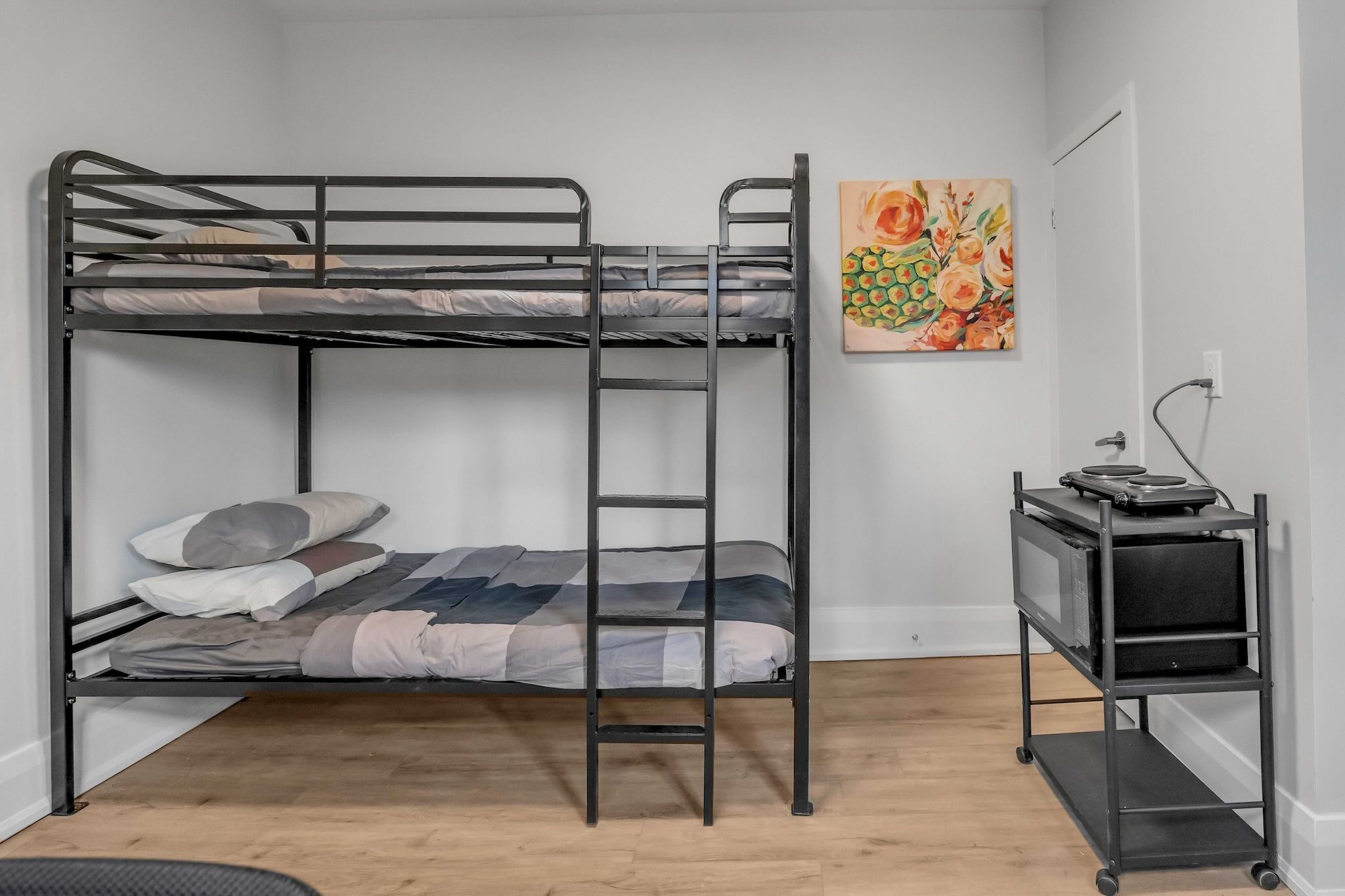
When a room becomes infested, treatment rarely comes cheap. The average expense falls between $500 and $1,500 per room, and in most cases, more than one treatment is required. For a shelter, ministry, or behavioral health facility with dozens of rooms, that figure escalates quickly.
Beyond direct costs, the hidden price is just as steep. Operations may need to pause, forcing administrators to turn people away at the very moment they need housing. Reputational harm can also linger, reducing community trust in the organization’s ability to provide safe, clean accommodations.
Consider a mid-sized shelter with 20 rooms. If half of those rooms required treatment, the facility could be facing $10,000 or more in immediate expenses, not to mention the staff time lost managing logistics, cleaning, and reassigning residents during the process. That financial burden can easily derail budgets already stretched to the limit.
HOW HEAVY DUTY BUNK BEDS HELP PREVENT INFESTATIONS
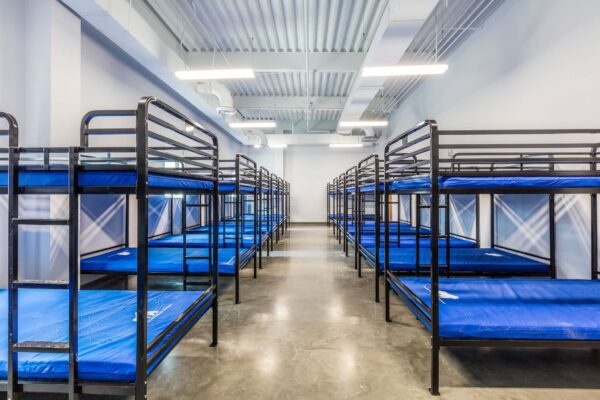
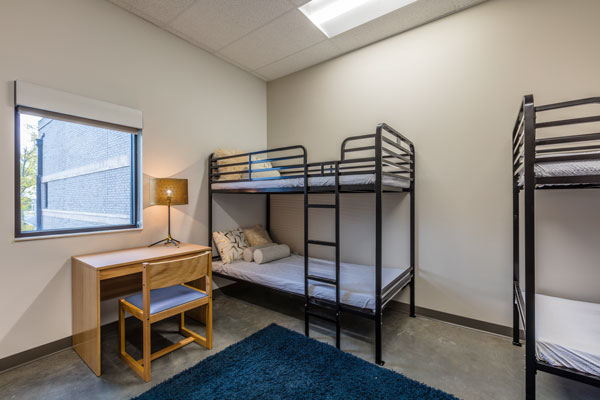
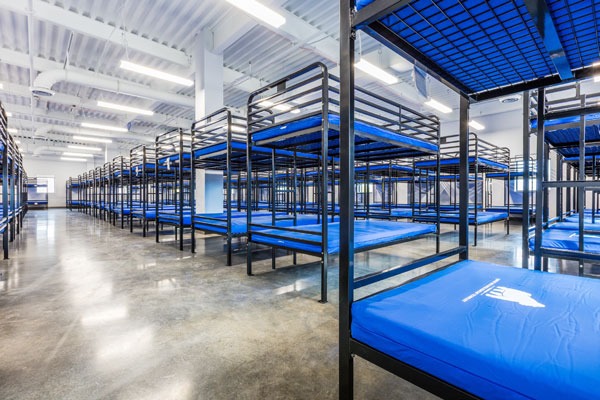
Our designs address the problem at its source, starting with heavy-gauge steel construction. Steel naturally resists pest infiltration better than wood, which can crack, splinter, or swell over time, creating hiding places for bed bugs. But we don’t stop at material choice. Each bed bug proof bed frame is reinforced with seam-welded connections, eliminating the cracks and joints where pests typically hide and breed. Unlike bolt-together frames that loosen over time, our welded designs remain structurally sound even under constant, high-volume use. This creates a sealed, impenetrable structure that makes it significantly harder for infestations to take hold.
Over the years, we’ve heard from facility managers and housing directors that our beds are among the most bed bug resistant products in the industry. That kind of feedback reflects real-world results in challenging environments, from emergency shelters to behavioral health facilities.
Mattresses are just as critical to prevention, completing the system that makes infestations harder to establish and easier to eliminate. Waterproof covers that are breathable, hygienic, and easy to wipe clean make it harder for infestations to spread. Because both the mattresses and bunk beds have smooth, sealed surfaces with no gaps or joints where pests can hide, cleaning is quick, maintenance stays simple, and hygiene is easy to maintain. For high-turnover facilities, this level of efficiency is just as valuable as the durability of the beds themselves.
BENEFITS FOR MINISTRIES AND SHELTERS
Selecting high-quality bunk beds directly protects both residents and staff by preventing unnecessary hardship. Facilities that invest in bed bug resistant bunk beds see fewer disruptions, lower long-term costs, and greater peace of mind. Residents benefit from safer, cleaner living conditions, while administrators gain confidence knowing they are making a sustainable choice.
The health benefits are just as important. Bed bug bites can cause skin irritation, secondary infections, and psychological stress. For individuals already facing housing insecurity, this additional hardship can be devastating. By providing beds designed to resist infestations, shelters, ministries, and behavioral health programs help maintain dignity, stability, and trust among those they serve.
Staff also benefit from reduced workloads. Instead of scrambling to respond to infestations, they can focus on providing care and programming. Administrators spend less time dealing with emergency disruptions and more time pursuing long-term goals for their organization.
INVESTING IN PREVENTION
Reliable beds contribute to a well-run facility, where residents are treated with dignity and operations stay on track. When residents walk into their space and see secure, clean, well-made bunks, they feel cared for. When staff don’t hear nightly squeaks or have to fix ladders mid-shift, they can focus where they’re needed most.
The right bunk beds are not a short-term purchase. They represent an investment in stability, efficiency, and safety for years to come. By selecting a bed bug proof bed frame designed to withstand both daily use and the threat of pests, ministries, behavioral health facilities, and shelters protect their mission and the people they serve.
While the upfront cost may be higher than a less durable option, the long-term savings are undeniable. Fewer replacements, treatments, and operational disruptions mean resources can be directed toward what truly matters: supporting residents.
If your facility is ready to reduce risks and strengthen operations, our team can help you choose durable solutions built for the realities of group housing. Request a quote today to get started.
CONTACT US TODAY!
REQUEST A QUOTE


Anthony Gomez
October 29, 2026
We've converted multiple buildings on our site to use the ESS metal bunks from existing wooden bunks. The beds have met or exceeded expectations in every way. The customer service is professional, and they are always a pleasure to work with. We will be purchasing from them again in the future!

Shelly Hoffman
October 15, 2026
Shelter of Flint has been working with ESS Universal for several years now, purchasing multiple bunk beds, convertible beds, mattresses, and storage lockers. Phil and the entire team there have been responsive to our needs and are able to fulfill orders quickly when needed. They are flexible, communicate well, and provide excellent products. Highly recommend!!

Amy Loof
October 15, 2026
These beds area amazing and we so needed for our organization. We were spending so much money on beds that just didn't work in a shelter setting, and now we have beds that do. It is really great and the customer service is wonderful. The whole process was just excellent!

Johnson's Nursery
October 14, 2026
Wonderful service and superior quality product. Our needs and expectations are always exceeded with ESS!

Joel Whitehead
October 13, 2026
Great products and great service! Very easy to work with as a family business. I highly recommend them!

Carolyn Peck
October 13, 2026
We are so happy with our bunk beds. We renovated a dorm this past year on our campground, which is used for youth camp and campmeeting for all our churches in North Georgia. We had nothing but praise from children and adults who used the bunk beds. We appreciate such a quality product and will not look anywhere else for bunk beds! Thanks for a great experience and service from your company.

Daniel Awabdy
October 7, 2026
These bunkbeds are very sturdy have blessed our ministry and have completely turned things around when it comes to a sound mind for a resident who live with us for more than a year. We have had zero issues out of them. They have met our needs completely!

Larry Nelson
September 29, 2026
Exceptional products, easy to work with,very professional! We will be buying all are beds and mattresses from them from now on.

Jonathan Layne
September 24, 2026
We have been using ESS for a few years now and they always come through. Phil is amazing and great to deal with. Thank you!

Remington Mallery
September 18, 2026
This family owned cap pant came through with us when all major companies failed! We had a need for 40 bunk beds to be installed in our shelter and our timeline was two weeks…not only did they have the product but worked to make it to us in time which included them working on the weekend! Will be using them in the future!

Tyson Trout
September 11, 2026
I work for a very large orchard company and we house up to 500 workers throughout the year for our operations. We have purchased a few hundred Heavy Duty Bunk Beds over the years and they hold up to the abuse our workers put on them better than any other beds we have. Great beds and high quality.

John Lowry
September 9, 2026
We have been using 30 twin beds since September of 2023 in our one facility. The beds are fantastic. Super sturdy and functional. They are relatively lightweight and easy to maneuver compared to our previous heavy laminated particle board exterior beds. They allow the mattress to breathe as well. Coupled with a mattress cover, they are great a 1-2 punch. We have grown men of all sizes in the beds and everything has held up beautifully. The beds don’t provide spaces for critters to hide and they won’t absorb moisture either if treatment is necessary. The beds are easy to assemble for a single individual. I am so happy with their product that we are looking to purchase another 60 beds along with the locker boxes for below the beds.